Six SEO Strategies To Adapt For Generative AI Search
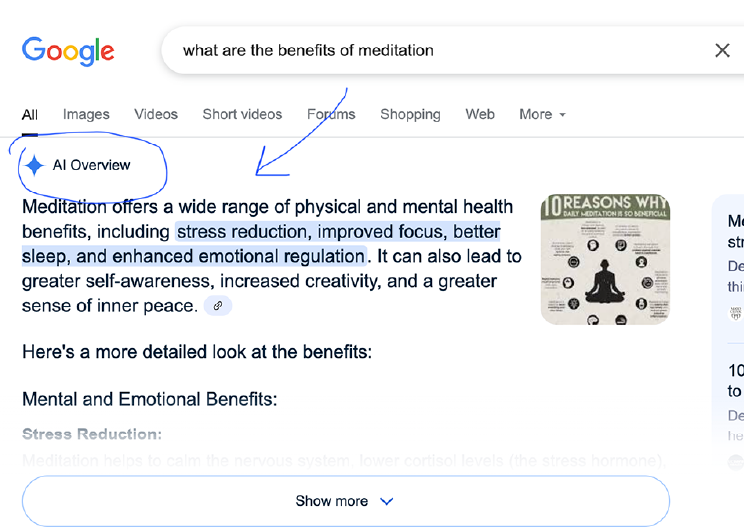
Google’s AI Overview and tools like ChatGPT are revolutionizing SEO, making traditional tactics less effective. This generative AI feature, displayed at the top of Google search results, provides instant answers, often eliminating the need to click through to websites. For health and wellness professionals-therapists, nutritionists, or yoga coaches in cities like Toronto, Mississauga, Calgary, New York or LA -this drop in click-through rates hurts businesses reliant on website traffic for bookings. Informational queries like “What are the benefits of mindfulness meditation?” or “How does cognitive behavioural therapy work?” are answered directly by AI Overview, reducing blog visits. With search engines potentially becoming less central as AI dominates, health and wellness entrepreneurs and SEO specialists must adapt. Here are six strategies to ensure your website thrives.
1. Target Transactional Keywords
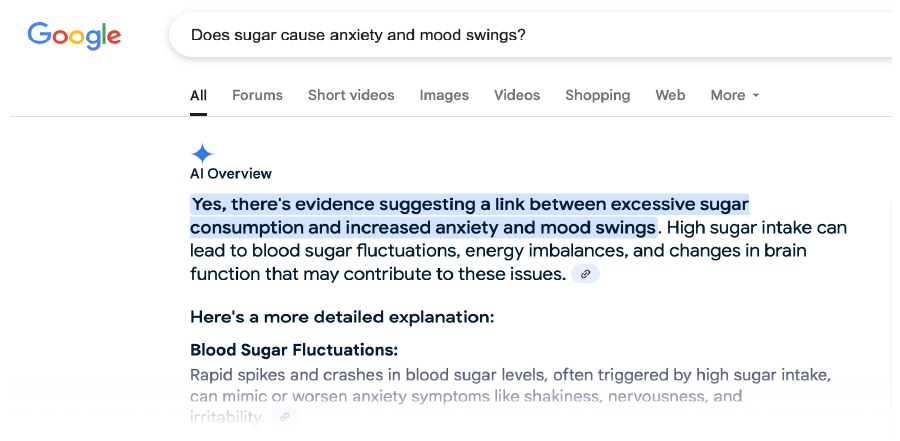
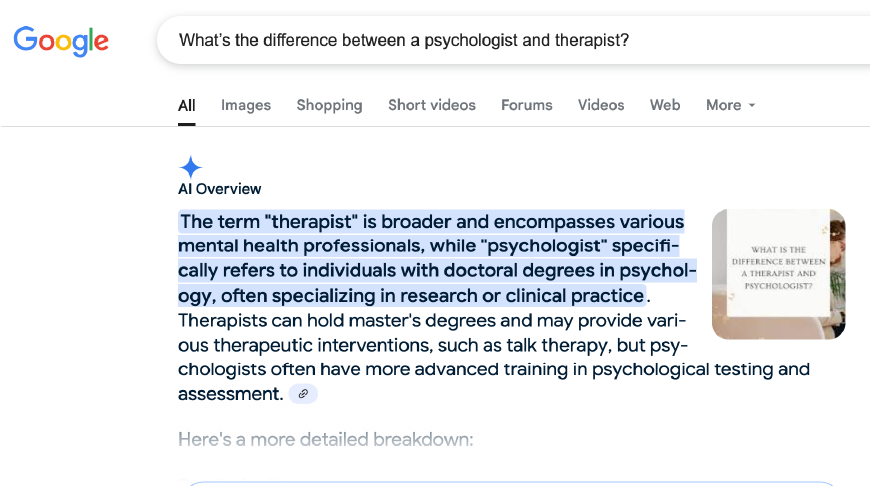
AI Overview handles informational queries like “Does sugar cause anxiety and mood swings?” or “What’s the difference between a psychologist and therapist?” well, educating audiences but not driving immediate bookings since AI summarizes answers instantly. Instead, focus on transactional keywords-terms showing purchase intent. These keywords are related booking a session, buying a product, or signing up for a service. For example, for a therapist in Toronto, optimize for “therapy quote Toronto” or “virtual counselling cost 2025.” A nutritionist might target “nutritionist pricing Ottawa” or “meal planning services Calgary.” A chiropractor could use “chiropractic adjustment cost Dallas.” These keywords attract users ready to book, bypassing AI summaries and driving traffic to your booking or contact pages. Aligning content with high-intent searches captures clients actively seeking services.
Why it works: Transactional keywords target users ready to purchase, increasing clicks to your site despite AI’s dominance over informational searches, ensuring high-intent traffic.
2. Build High-Quality Backlinks
Backlinks-links from reputable websites to yours-are a cornerstone of SEO, even with AI Overview. They signal authority to search engines, boosting rankings. For health and wellness professionals, securing backlinks from credible platforms is key. You could contribute a guest post to Well+Good, a leading wellness site, or get your British Colombia clinic listed in a directory like HealthLinkBC or an international one like International Therapist Directory. For example, a therapist could write about managing anxiety for a Vancouver-based wellness blog which in turn, links back to their website (e.g. to their /counselling-services page). Partnering with local mental health clinics, yoga studios, or community centers to feature your site on their resources page drives traffic. These partnerships enhance SEO and build credibility within your health and wellness community.
Why it works: Backlinks from trusted sources tell Google your content is reliable, helping you rank higher and attract visitors AI can’t divert, strengthening your brand’s reputation.
3. Offer Downloadable Tools and Resources
Downloadable content draws users to your website, offering value AI can’t replicate. For health and wellness professionals, a Resources page can host tools like PDFs or templates. A therapist might offer a “Stress Management Toolkit” or “Mindfulness Exercises Guide for Anxiety.” A yoga coach could provide a “Guided Meditation Audio for Better Sleep” or “Daily Yoga Routine PDF.” A nutritionist might share a “7-Day Plant-Based Meal Plan” or “Grocery Checklist for Busy Moms.” Promote these via social media, email newsletters, or local events in your city to drive visits. These assets keep visitors engaged and encourage other sites to link to them, boosting SEO.
Why it works: Downloadable tools provide unique value AI can’t summarize, increasing site visits, engagement, and backlink opportunities, enhancing your SEO.
4. Create Unique, AI-Proof Content
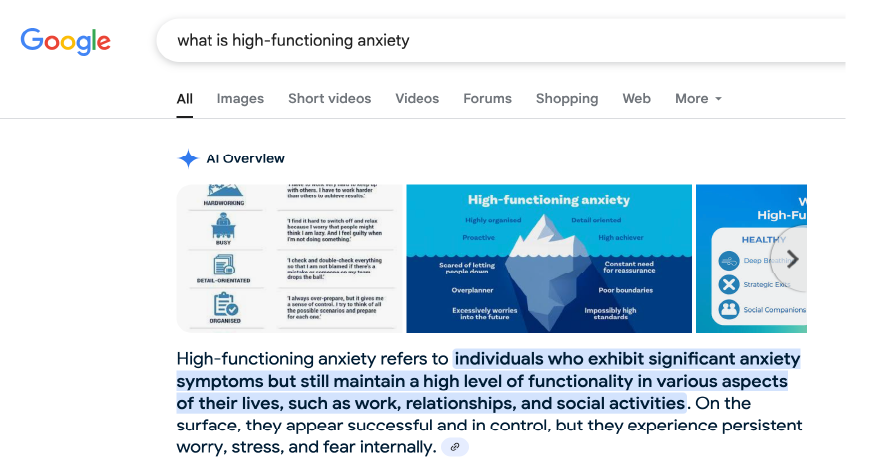
Generic blog posts like “What is high-functioning anxiety?” or “How to cope with holiday stress” are summarized by AI Overview, reducing clicks. Instead, produce niche content that doesn’t exist elsewhere. Ask yourself: can ChatGPT answer this question, if so, it is likely not the best blog topic. For example, a therapist could write “How Therapy Supports Entrepreneurs with Social Anxiety in Toronto” or “Mindfulness Techniques for Students with Test Anxiety in Calgary.” Use tools like SEMrush or Google Trends to identify low-competition topics. This ensures your content fills gaps AI can’t address, making your site a go-to resource for specialized health and wellness information, attracting organic traffic from users seeking specific solutions.
Why it works: Unique, niche content targets queries AI Overview can’t fully cover, driving traffic and establishing your expertise in health and wellness.
NEWSLETTER
Subscribe
Opt-in to get more website tips for health and wellness professionals.
View our privacy policy to learn more about your data.
5. Add Structured Data to Pages for AI Suggestions
To help AI models like ChatGPT or Google’s AI Overview suggest your website, make your content easily understood by AI algorithms. To do this, add structured data with JSON-LD (JavaScript Object Notation for Linked Data) in the <head> section of your website on each webpage or use a WordPress SEO plugins like YoastSEO or Rank Math to easily help you. Structured data (also known as schema markup) includes clear descriptive headings and use bullet points to highlight key information. You want your structured data code to include things like type of services, type of company, your company’s location, service information, pricing information and FAQs with commonly asked individual questions about your services included in the code (schema markup).
Do you need to add structured data code to every webpage? No, just focus on the pages you want to show up for on search the most. For example, the Homepage and Services pages would be a good place to start whereas Terms of Services or Thank You pages may not be as necessary.
Why it works: A well-organized, AI-friendly website with structured data and clear content increases the likelihood of AI citing your pages.
6. Boost Local SEO with Google Reviews
Adding location-specific SEO is vital for health and wellness professionals to help nearby people find your services. Create location-specific pages like /toronto, /dallas, /calgary, or /kansa under “Service Areas.” In addition, embed a Google Map and use search-friendly terms like “therapy quote Toronto” or “nutritionist cost Denver.” Third, create a /reviews page and aim to get at least 20-30 detailed Google Reviews. Positive reviews enhance credibility and improve your ability to appear on Google Maps as well as local searches – this is particularly important when people are ready to book right away.
Why it works: Location pages and Google Reviews boost local rankings and trust in your city, driving bookings AI Overview can’t replace.
Conclusion
Google’s AI Overview and tools like ChatGPT are reshaping SEO, sidelining keyword-heavy blogs. For health and wellness professionals. Future success in SEO means targeting transactional keywords, securing backlinks from reputable and high-traffic sites, offering unique resources and tools, creating niche content, adding well-organized structured data, and leveraging local SEO with Google Reviews. These strategies ensure visibility, whether you’re a yoga coach in Vancouver or a therapist in Toronto. Ready to elevate your SEO? Contact us for tailored health and wellness branding, design and SEO services.

Style Guide Templates
Ready to step up your branding without a ton of time and effort? Download these editable brand templates for your fonts, colours, and logo here.